Top-Rated Tallaksen Builders for Custom Homes and Renovations
Reliable Home Builder Services for Your Dream Project
Selecting a dependable home builder is a crucial step in achieving one's dream home. Important characteristics, such as effective oversight and transparent financial planning, can greatly influence the outcome. Furthermore, understanding the key offerings a builder should deliver is just as important. As homeowners work through this complex situation, several considerations warrant careful consideration. Which specific attributes should one prioritize when choosing a builder for this substantial financial commitment?
Essential Qualities of a Trustworthy Home Contractor
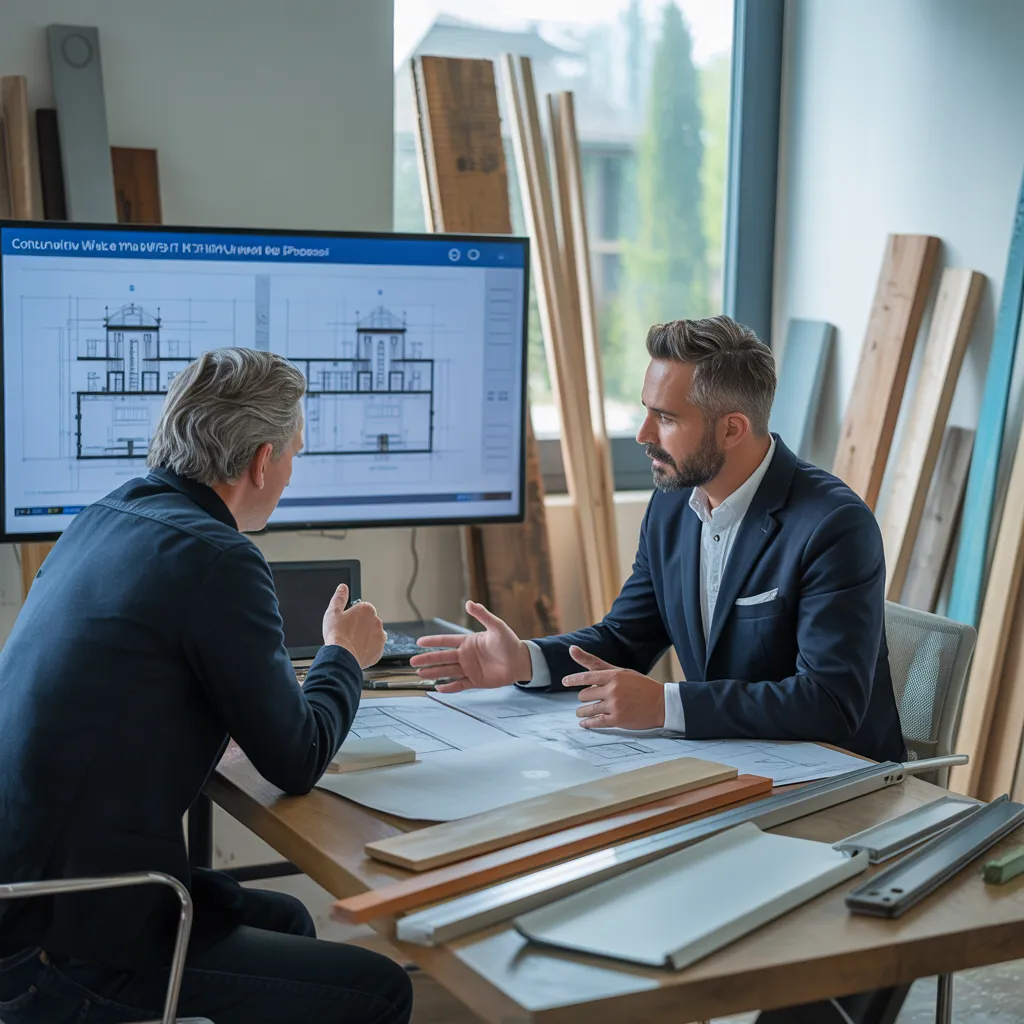
When identifying a home builder, understanding the key characteristics that define a credible professional is critical. Integrity takes the lead; a dependable builder guarantees candor in all business dealings, making certain clients are knowledgeable and comfortable throughout the process. Experience also serves as a critical factor; seasoned builders hold the knowledge to navigate obstacles proficiently and can lead clients through design and regulatory complexities.
Moreover, strong communication skills are necessary, as they promote straightforward communication and prompt responses to customer requests. A reputable builder should also show a focus on excellence, using durable materials and professional expertise to secure permanent outcomes. Finally, positive client testimonials and a comprehensive body of work display a contractor's credibility and trustworthiness. By spotting these essential characteristics, customers can make informed decisions and pick a builder who aligns with their objectives and beliefs.
Essential Services a Quality Home Builder Must Deliver
A professional home builder offers a array of critical services that ensure a smooth and successful construction process. First, they provide detailed design and planning services, which feature consultations to understand the client's vision and preferences. This confirms that the project matches the homeowner's expectations from the outset.
Furthermore, a trustworthy builder handles all required permits and legal adherence, streamlining the often complex legal requirements of construction. They also provide construction oversight services, coordinating subcontractors, materials, and timelines efficiently to reduce delays and disruptions.
Furthermore, reputable home builders often provide transparent budgeting and cost estimation, allowing clients to choose wisely throughout the project. After construction, many builders extend services such as guarantees and after-build assistance, ensuring long-term satisfaction. By offering these vital offerings, a reliable home builder plays a pivotal role in transforming a vision endeavor into a reality.
Vital Criteria for Assessing a Builder's Collection
When examining a builder's portfolio, several key criteria emerge as essential indicators of quality. Project variety and scope, craftsmanship, and uniformity of style are important factors in determining a builder's ability to meet diverse client needs. These factors collectively demonstrate insight into the construction firm's experience and overall aesthetic vision.
Project Spectrum and Scope
The diversity and breadth of projects serve as vital indicators in the evaluation of a builder's portfolio. A wide range of projects reveals the builder's flexibility and skill in handling various styles and requirements. This includes residential homes, renovations, and commercial spaces, displaying the builder's competence to satisfy diverse client needs. Evaluating the scope also means looking at project sizes, from small-scale remodels to large custom builds. A builder experienced in several project types reflects a solid understanding of industry standards and challenges. Furthermore, a balanced portfolio signals a builder's ability to innovate and customize solutions, ensuring they can turn a client's vision into reality, regardless of complexity or scale. This diversity ultimately strengthens a builder's reputation and reliability.
Quality of Workmanship
The standard of craftsmanship is a fundamental criterion in evaluating a builder’s portfolio, reflecting the ability and careful attention to detail behind their work. Prospective homeowners should carefully review completed projects, noting the precision of finishes, structural soundness, and overall aesthetics. High-grade craftsmanship typically displays premium materials and techniques, make a move clear in smooth surfaces, precisely positioned fixtures, and sturdy installations. Builders prioritizing craftsmanship generally commit to excellence, ensuring that every part meets high benchmarks. Additionally, client feedback can provide insights into the builder's reliability and commitment to quality. By considering craftsmanship, homeowners can make informed decisions, ensuring their chosen builder aligns with their vision for a well-executed project.
Design Coherence and Appearance
Design consistency and aesthetic are critical elements in assessing a builder's portfolio, as they reflect the overall direction and visual consistency of completed projects. A portfolio presenting varied designs may suggest versatility; however, it should still maintain a recognizable style that aligns with the builder's brand. Clients should seek harmonious color schemes, complementary materials, and cohesive design features across different homes. Meticulous attention in design aspects, such as trim and lighting, demonstrates a builder's dedication to consistent style. Additionally, noting how a builder modifies their design principles while still achieving a cohesive look across multiple projects can offer insight into their creative capabilities. Ultimately, design consistency ensures clients that their vision will be actualized seamlessly.
Why Direct Communication Counts in Home Building
Communication that is lucid serves as a cornerstone in home building, as it provides the foundation for establishing expectations among all stakeholders. When challenges arise, effective dialogue promotes quick problem-solving, decreasing delays and confusion. Moreover, open and honest dialogue strengthens trustworthy relationships, which are vital for successful project completion.
Setting Standards in a Transparent Manner
In the home building process, effective communication is indispensable as it forms the foundation for a successful project. It is necessary to establish clear expectations between homeowners and builders to avoid misunderstandings. This entails setting forth timelines, budget constraints, and design preferences from the start. When expectations are communicated effectively, both parties can align their visions and objectives, which leads to a smoother workflow. Transparency is encouraged through regular updates and open dialogue, allowing homeowners to stay involved and informed throughout the project. Moreover, clear expectations enable builders to manage resources more efficiently, minimizing delays and potential conflicts. By putting clear communication first, homeowners and builders can collaborate to bring the dream project to life without unnecessary complications. Ultimately, this approach = enhances satisfaction and trust in the home building experience.
Facilitating Quick Issue Resolution
Steering through the complexities of home building often requires swift decision-making and problem-solving. Effective communication between builders, clients, and subcontractors is fundamental to tackling unexpected challenges successfully. When problems occur, prompt and clear dialogue enables quick spotting of issues, lowering delays and easing stress. Home builders emphasizing open lines of communication are able to efficiently transmit information, ensuring alignment among all parties about solutions. Such a proactive strategy promotes quick resolutions and also empowers clients to make knowledgeable decisions. By fostering a culture of clear communication, home builders enhance their ability to navigate obstacles effectively, ultimately contributing to the successful completion of projects and the satisfaction of all stakeholders involved.
Strengthening Credible Bonds
Building credence among all participants involved in home construction is grounded in consistent communication. Clear dialogue facilitates collaboration between homeowners, builders, and subcontractors, ensuring everyone is aligned on project goals and expectations. Regular updates and open channels for feedback enable the timely resolution of concerns, reducing misunderstandings. When builders communicate timelines, budgets, and potential obstacles transparently, homeowners feel more secure in their investments. Additionally, establishing rapport encourages a cooperative atmosphere, which can lead to innovative solutions and creative input. Ultimately, by prioritizing effective communication, all stakeholders can forge stronger relationships, paving the way for successful projects and satisfied clients. This trust enhances the overall experience, making the home-building journey more enjoyable and less stressful.
Guidelines to Budget Carefully for Your Home Prudently
How can homeowners guarantee their financial situation align with their ideal home aspirations? A well-structured budget is vital for making well-informed choices. First, property owners should evaluate their finances by calculating total income, current debts, and regular spending. This evaluation helps establish a realistic budget for home construction.
Next, formulating a extensive list of budgeted costs is important. Homeowners should include land acquisition, materials, labor, permits, and surprise expenses, often known as a contingency fund. Establishing a order of importance for features can direct spending and guarantee essential elements are funded first.
Furthermore, homeowners should review funding alternatives, such as credit lines, financial assistance, or savings, to ensure necessary funds. Consistently reviewing expenses against the budget can help maintain monetary control throughout the undertaking. By sticking with these strategies, homeowners can effectively manage their finances and accomplish their ideal home goals without going over budget.
Important Details for the Home Building Procedure
As homeowners undertake the endeavor to create their perfect dwelling, grasping the several components of the building undertaking is essential for a successful outcome. The procedure typically initiates with initial planning stages, where homeowners coordinate with builders to complete specifications, finances, and deadlines.
Once plans are authorized, the foundation work begins, which includes site readiness and laying the foundation. After this phase, the framing phase establishes the home's structure, enabling a clearer vision of the final product. After framing, systems such as pipe work, wiring, and HVAC systems are installed.
Finally, interior and exterior finishes are applied, transforming the area into a functional home. The final stage involves inspections and obtaining required permits before closing. Throughout this journey, effective communication with builders makes certain that the construction stays on track, aligning with the homeowners' vision and expectations.
Common Inquiries Asked Regularly
How Can I Find the Perfect Home Builder for My Undertaking?
To identify the suitable home builder, one should investigate their standing, review past projects, verify permits and protection, evaluate dialogue styles, and receive thorough quotations. Direct recommendations and online reviews can also supply valuable insights.
What Protection Do Home Developers Usually Provide?
Home firms typically offer warranties that encompass structural imperfections, workmanship, and resources. Customary terms range from one to ten years, ensuring shields against major concerns arising after construction, fostering buyer confidence and satisfaction.
Can I Implement Modifications During the Building Phase?
Modifications during the building process are commonly achievable, but they may be influenced by the contract and stage of construction. Homeowners should speak with builders right away to discuss options and any potential impacts on timelines and costs.
What is the Timeline of a Average Home Building Project?
A conventional home project generally takes six to twelve months, based on various factors such as architectural scope, site conditions, and weather. Delays can take place, altering the complete timeline of the construction process.
What may I execute if Difficulties emerge while Construction?
If complications develop during construction, the property owner should record the problems, communicate promptly with the builder, and pursue resolution. If necessary, consulting legal counsel or a mediator may effectively resolve major disagreements in an effective manner.